



ValorTech Logo
Solutions
Services
Partners
Resources
Company
Get Started
Get Started
Client Portal
(414) 410-9440
By Business Need
Identify Gaps in My Cybersecurity Plan
Identify Gaps in My IT Plan
Fulfill Compliance Assessments & Requirements
Replace Current IT Provider
Manage Business Continuity
Manage Complex Cybersecurity Technologies
Enhance & Scale My Internal IT Environment
By Industry
/api/icon/file/icon_healthcare.svg
Healthcare
/api/icon/file/icon_legal.svg
Legal
/api/icon/file/icon_Insurance.svg
Insurance
/api/icon/file/icon_finance.svg
Finance
/api/icon/file/icon_manufacturing.svg
Manufacturing
/api/icon/file/icon_education.svg
Education/NPO
/api/icon/file/icon_government.svg
Government
Solutions Hero
Save 10% With Cyber Warranty

ValorTech’s Cyber Warranty helps clients qualify for up to a 10% discount on cybersecurity insurance.

Learn More

Have an urgent need?

>>

Consult with an Expert
Discover ValorTech
We’re not your average MSSP. Born from a security-first mindset and built by people who care deeply about doing the right thing, ValorTech blends technical excellence with real-world purpose. From veteran roots to community impact, we lead with integrity—and back it up with bold, reliable tech that just works.
Learn more
/api/icon/file/icon_leadership.svg

Our Leadership

Meet our Visionaries

/api/icon/file/icon_culture_values.svg

Culture & Values

What Drives Us

/api/icon/file/icon_news_media.svg

News & Media

Latest Updates

/api/icon/file/icon_social_impact.svg

Social Impact

Rooted in Service

Contact Us
Have a challenge? Let’s talk—we’re the kind of partner who actually shows up and solves it.
Consult with an Expert
Current Client Support
Careers
Do work that matters—join a team that backs each other, builds boldly, and gives a damn. At ValorTech, we invest in our people the same way we invest in our tech—with purpose, trust, and a long-game mindset.
Learn more
Consult with an Expert
Services Header
Cybersecurity

Cybersecurity

Battle-tested and trusted to keep your business secure when it matters most.

Managed IT Services

Managed IT Services

Proactive, security-first IT support built to scale with your business.

IT Consulting

IT Consulting

Strategic guidance from engineers who actually understand your world—and speak your language.

Cloud Solutions

Cloud Solutions

Custom cloud environments optimized for agility, compliance, and growth.

Apple First Environments

Apple First Environments

Certified Jamf support for Apple-first environments — because great tech deserves great service.

Microsoft 365

Microsoft 365

Secure, streamlined collaboration powered by expert Microsoft 365 deployment and management.

Resources
/api/icon/file/icon_blog.svg

Blog

Proactive, security-first IT support built to scale with your business.

/api/icon/file/icon_downloadassets.svg

Downloadable Assets

Practical tools, checklists, and guides built to make your next move smarter and faster.

/api/icon/file/icon_trustcenter.svg

Trust Center

Where transparency meets accountability—see how we keep your data secure, always.

Featured Articles
Article

Why Troop Salute Hits Home for Me

Article

5 End-of-Year IT Quick Wins: The C-Suite Q4 Checklist

Have an urgent need?

>>

Consult with an Expert
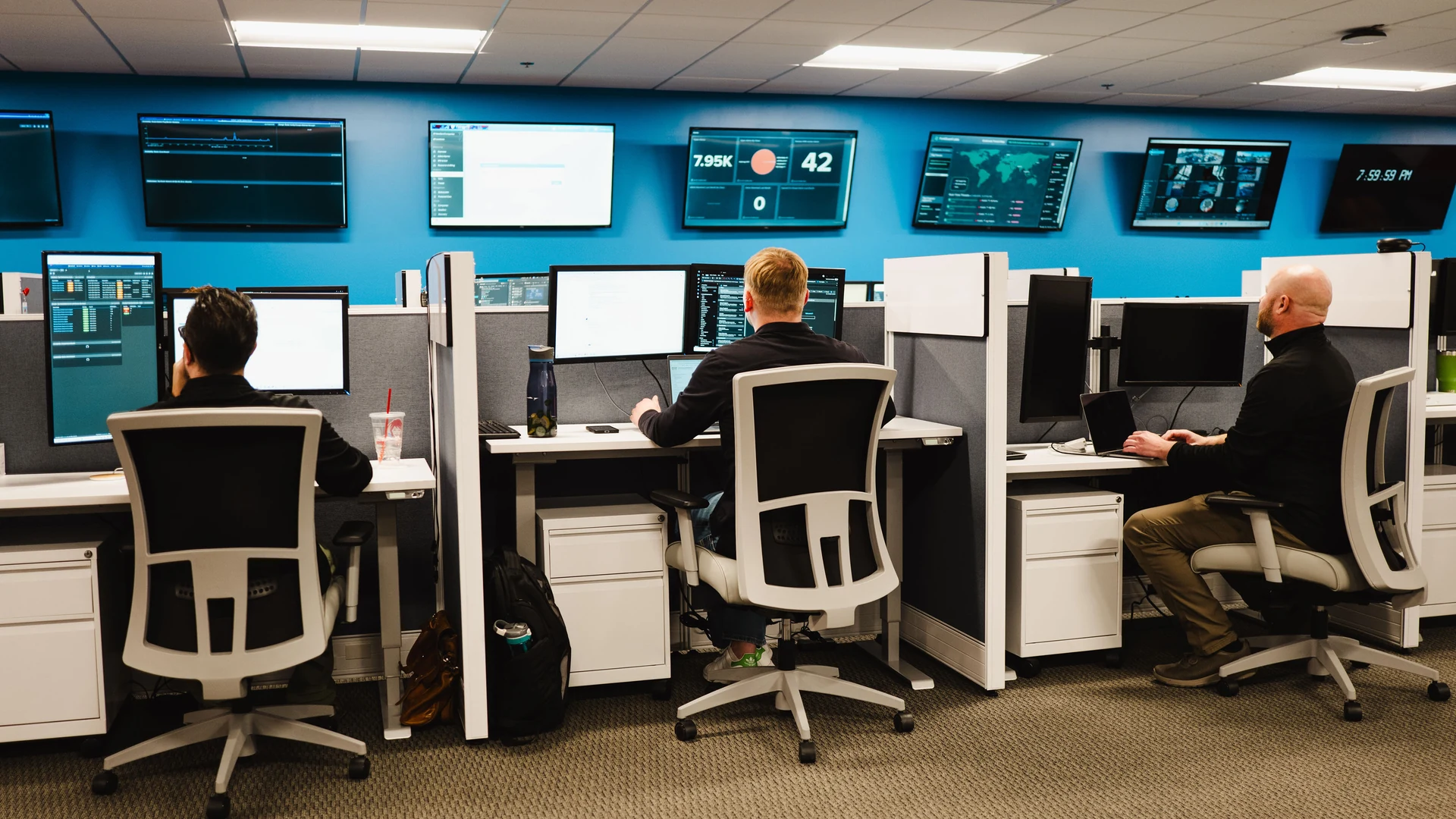
ValorTech Cloud Solutions Team - Infrastructure Operations Center
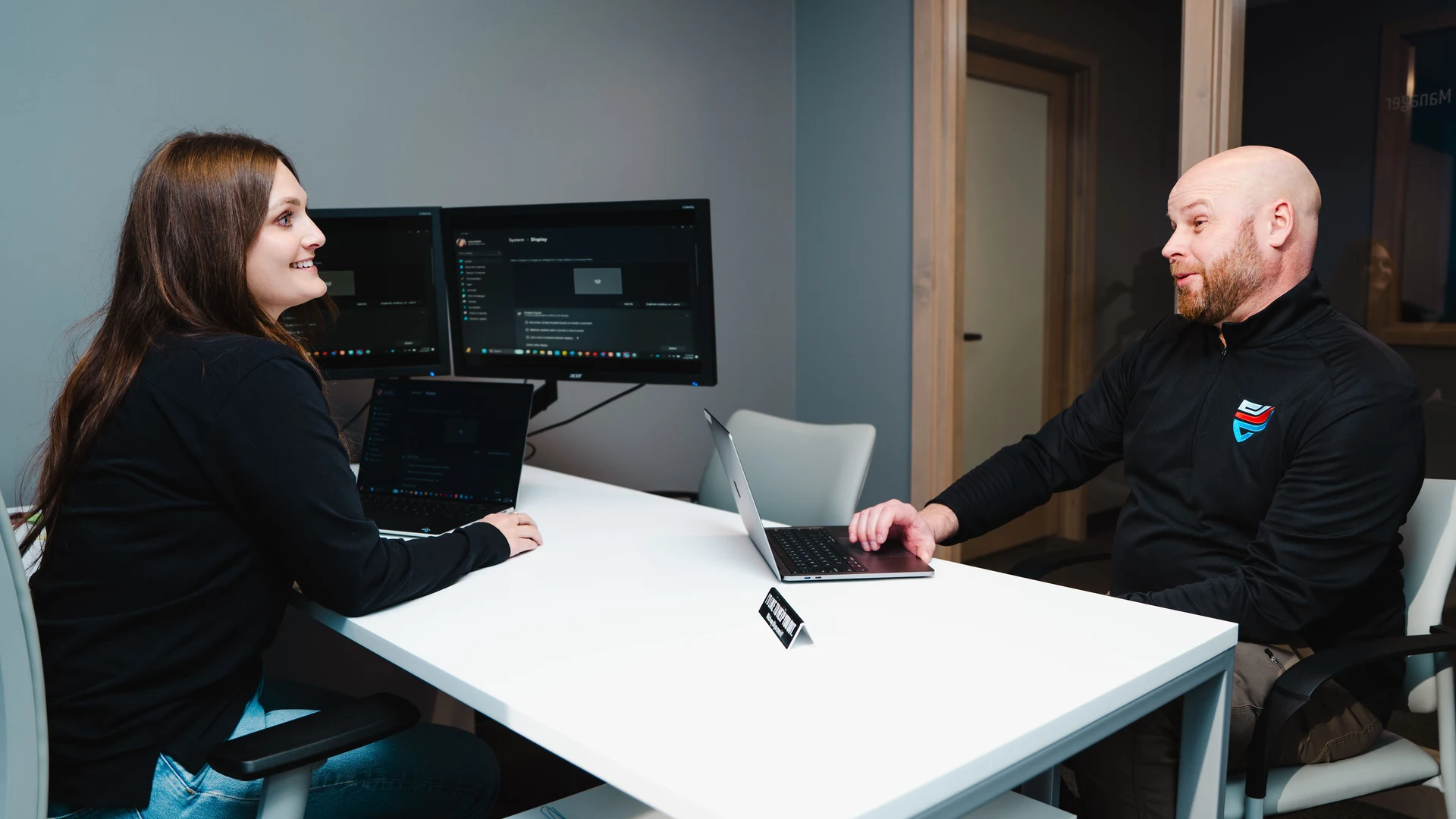
ValorTech Cloud Solutions Consulting
Service Hero Badge
Cloud Solutions

Ready for Cloud Done Right? We Got You

Built with a security-first mindset and backed by real people who give a damn, our Cloud Solutions become your team’s most reliable edge.

Get Started Today
ValorTech Cloud Solutions Team - Infrastructure Operations Center
ValorTech Cloud Solutions Consulting
Quick Navigation
Overview
Benefits
Service Models
Security Features
Integration Support
Pricing Plans
Client Success Stories

Explore Our Comprehensive Cloud Solutions

Discover how our tailored cloud solutions can enhance your business efficiency and scalability with seamless integration and robust security.

5.0
Average Rating
Google
Cloud Services
Mobile Background Image
Desktop Background Image
Learn More
cert-0
cert-1
cert-2
cert-3
cert-4
cert-5
cert-6
cert-7
cert-8
cert-9
cert-10
cert-11
cert-12
cert-13
cert-14
cert-15
cert-16
cert-17
Insights

Our Insights

Research-backed insights covering strategy, implementation, security, and optimization for cloud solutions.

Cloud Solutions That Keep Milwaukee Businesses Running

Cloud Solutions That Keep Milwaukee Businesses Running

Cloud solutions are managed IT services that migrate, secure, and optimize a company's infrastructure across public, private, or hybrid cloud environments (IBM Documentation), replacing unpredictable capital expenses with scalable, professionally managed platforms. For Milwaukee businesses running on aging servers and patchwork backup systems, that distinction determines whether Monday morning starts with productive work or a frantic call to IT. Industry analyses consistently show unplanned downtime costing small and midsize businesses hundreds of dollars per minute, a figure that compounds quickly when recovery depends on outdated hardware. ValorTech delivers cloud solutions through a Wisconsin-based team that conducts on-site discovery assessments before any migration begins. Every engagement follows the protocols behind ValorTech's SOC 2 compliance certification, including built-in failover planning and backup and recovery procedures, the difference between a cloud partner and a cloud vendor across the Midwest.

What is cloud solutions? Cloud solutions encompass the managed services, cloud infrastructure, and ongoing support that move a business's workloads, email, file storage, applications, databases, from on-premises hardware to professionally managed environments using platforms like Microsoft Azure, AWS, or Google Cloud. The result: predictable monthly costs, a stronger security posture backed by SOC 2-compliant operations, and infrastructure that scales with demand while maintaining uptime SLAs your business can count on.

What This Guide Covers

Most businesses considering managed cloud services don't need convincing that the cloud works. They need clarity on whether it works for them, a fundamentally different question. Generic guidance from national providers won't answer it for a 60-person manufacturer in Waukesha or a healthcare practice in Brookfield with business continuity requirements unique to their industry. What follows is built for businesses like those.

By the end of this guide, you'll have clear, practical answers to the questions that matter most:

  • How to recognize when your current IT infrastructure is holding you back
  • What's included in managed cloud solutions and what each service delivers
  • How a real cloud migration unfolds, step by step, without surprises
  • What security and compliance protections apply to your specific industry
  • How to evaluate cloud costs honestly and measure genuine ROI
  • Why partnering with a local Milwaukee team produces better long-term outcomes

One honest admission: cloud migration is not a weekend project. The businesses that struggle most aren't always those with the most complex infrastructure, they're the ones that skipped planning because a vendor promised a painless two-week cutover. ValorTech's CloudPath Assessment prevents those costly missteps by mapping every workload, dependency, and disaster recovery requirement before anyone touches a single server. That upfront rigor is exactly why clients stay, and exactly what you'll find in the pages ahead.

Section ID: 01_introduction

Word Count: 438

Sources: https://www.ibm.com/topics/cloud-computing

7 Signs Your Business Has Outgrown Its Current IT Infrastructure

7 Signs Your Business Has Outgrown Its Current IT Infrastructure

The warning signs rarely show up all at once. What we see in practice across Milwaukee businesses is a slow accumulation of friction: systems that used to work fine start cracking under the weight of growth, remote staff, and compliance requirements they were never designed to handle.

Here's what that looks like on a typical service call:

  • 1. Your server room runs hot. Fans at full speed, thermal warnings in the logs. Physical hardware bought five years ago wasn't sized for your current workload, and adding capacity means another capital expense.
  • 2. Remote access is a daily complaint. VPN connections drop during peak hours. Staff working from home or between Wisconsin job sites spend more time reconnecting than producing.
  • 3. Hardware replacement bills show up unannounced. A failed drive, an end-of-life switch, a UPS battery that quietly died. Each one is a surprise line item your budget didn't plan for.
  • 4. Compliance audits expose gaps. Your last review flagged access controls, logging, or backup verification. Patching those gaps on aging infrastructure gets expensive fast, particularly when frameworks like SOC 2 require documented controls your legacy systems were never built to provide.
  • 5. Your IT team spends all day firefighting. Strategic projects sit untouched because every hour goes to break-fix tickets and manual updates.
  • 6. Scaling means buying more boxes. New hires need workstations, licenses, and storage provisioned manually. Cloud infrastructure would let you scale in minutes, not weeks.
  • 7. You're running critical apps on end-of-life systems. The vendor stopped issuing patches, but the application still processes orders or patient records every day.

"we are looking to implement any new solutions, we have to completely make sure that it meets HIPAA Compliance."

— Austin Kuehn, Service Desk Level II, ValorTech

Honest assessment: not every workload should move on the same timeline. Some legacy applications with deep hardware dependencies run better on-premises, and pretending otherwise wastes money. Concerns about vendor lock-in, staff retraining, and migration complexity are legitimate. The question isn't "cloud or not." It's which workloads benefit from cloud computing and which ones stay put. A self-managed IaaS approach works if your team has the skill set; a managed cloud services model from a SOC 2 compliant provider works when they don't. According to CompTIA's industry research (CompTIA 2025 Outlook), the gap between what businesses need from cloud services and what their internal teams can deliver continues to widen.

If three or more of those signs sound familiar, the next step is understanding what a managed cloud solution actually includes and where the value sits. Tools like Microsoft Azure's pricing calculator (Microsoft Documentation) can help frame the financial picture, but the real clarity comes from mapping your specific workloads to the right cloud model.

Section ID: 02_signs_you_need_cloud_solutions

Word Count: 462

Sources: https://www.comptia.org/content/research/it-industry-trends-analysis, https://learn.microsoft.com/en-us/azure/cost-management-billing/costs/pricing-calculator

What's Included in Managed Cloud Solutions

What's Included in Managed Cloud Solutions

Most Milwaukee businesses assume cloud services mean "someone else hosts our files." File hosting accounts for roughly a fifth of the actual value. A full managed cloud engagement spans four distinct layers, each building on the one before it.

Four Layers of Managed Cloud Services

  • Migration & Planning: Workload assessment, dependency mapping, and architecture design. ValorTech's CloudPath Assessment catalogs your current environment and determines what moves first, what stays on-prem, and what gets retired, typically completed in two to four weeks.
  • Day-to-Day Management: Proactive monitoring, patch management, automated backup verification, and help desk support, all backed by defined response-time SLAs and delivered within a SOC 2 compliant framework. Most routine issues are identified and resolved before they affect your operations.
  • Optimization & Scaling: Right-sizing resources to eliminate unused capacity, with on-demand scaling when volume spikes. Cloud infrastructure that flexes with your business instead of locking you into fixed overhead.
  • Modernization: Evaluating cloud-native tools, managing application updates, and coordinating multi-cloud vendor relationships across Microsoft Azure, AWS, and Google Cloud. This tier keeps your infrastructure current instead of quietly accumulating technical debt.

One distinction worth understanding: IaaS (Infrastructure as a Service) gives you virtual servers and storage you manage yourself. PaaS (Platform as a Service) adds development tools so your team builds applications without managing underlying servers. SaaS (Software as a Service) delivers ready-to-use applications like Microsoft 365. Most Milwaukee businesses use all three simultaneously, often paying for overlapping services. The NIST cloud computing reference model (NIST Documentation Reference Architecture) defines these categories formally; understanding which model applies to each workload is exactly what the Migration & Planning tier determines.

Not every workload should move to the cloud on the same timeline, and a credible partner will tell you that upfront. Some legacy ERP systems and real-time manufacturing controls perform better in hybrid or on-premises configurations, forcing them into a public cloud creates latency and reliability issues that cost more to fix than the migration saved. Google's cloud computing overview (Google Cloud Documentation) covers these workload trade-offs in useful detail, and our team applies that framework to every Southeast Wisconsin assessment we run.

Not Sure Which Workloads Are Cloud-Ready?

Schedule a free cloud readiness assessment with our Milwaukee-based, SOC 2 compliant team. We'll map your current infrastructure, identify migration priorities, and flag anything that's better left on-prem.

Book Your Free Assessment

Section ID: 03_core_services_overview

Word Count: 392

Sources: https://www.nist.gov/programs-projects/nist-cloud-computing-program-nccp, https://cloud.google.com/learn/what-is-cloud-computing

How We Migrate Your Business to the Cloud: Step by Step

How We Migrate Your Business to the Cloud: Step by Step

Knowing what managed cloud solutions include is one thing. Knowing how you actually get there, without losing a day of productivity, is what Milwaukee business leaders really want to understand. Here's exactly what happens from the first phone call to the day your team is fully operational in your new cloud environment.

Cloud migrations take longer than vendors promise. A proper phased approach for a 25-to-200-person company demands a realistic timeline calibrated to your environment's actual complexity, not a vendor's sales projection. Rushing that timeline is how organizations end up with the Monday morning all-hands where email is down, files are inaccessible, and everyone is pointing fingers.

Our CloudPath Assessment provides the structure that prevents that scenario. Here's what each phase looks like in practice:

Phase 1: Discovery & Audit. Cloud Solutions Readiness (Week 1–2)
A ValorTech technician visits your Milwaukee-area office, maps every workload, documents system dependencies, and catalogs compliance requirements. As a SOC 2 Compliant organization ourselves, we know exactly what auditors look for, and we build that rigor into your environment inventory from the start. This on-site visit matters because remote questionnaires miss things: the accounting software running on a forgotten local server, the legacy database three departments depend on, the printer somehow connected to everything. We also identify which workloads are candidates for AWS, Azure, or Google Cloud, and which belong in a hybrid configuration. Your deliverable is a complete environment inventory with a dependency map and a preliminary platform recommendation.

Phase 2: Architecture Design (Week 2–3)
We design your cloud topology based on what Discovery actually uncovered. This includes selecting IaaS, PaaS, or SaaS configurations for each workload, raw infrastructure like AWS EC2 or Azure Virtual Machines, platform services like Azure App Service, or full software delivery like Microsoft 365, mapping hybrid integration points for systems staying on-premises, and planning failover architecture. Your team reviews and signs off before anything moves.

Phase 3: Phased Cloud Solutions Migration (Week 3–6)
Workloads move in prioritized waves. Email and collaboration tools go first — Microsoft 365 or Google Workspace migrations carry the lowest risk and the highest daily visibility for your staff. Core business applications follow. Legacy systems move last, if they move at all. Every wave includes a tested rollback plan, and every cutover is scheduled during off-hours. Parallel systems stay live throughout each transition so your team always has a working environment.

Phase 4: Testing & Validation (Week 5–7)
Each migrated workload is tested by both our engineers and your staff. We verify performance benchmarks against baselines captured during Discovery, confirm application integrations, and run disaster recovery simulations, the checks that prevent after-hours emergencies weeks down the road.

Phase 5: Go-Live & Hypercare (Week 6–8)
Once testing passes, we cut over remaining systems and enter a two-week hypercare period with around-the-clock monitoring using tools like Azure Monitor and AWS CloudWatch. Our team responds within minutes, not standard SLA hours, while tuning performance against real-world usage patterns. This window also includes structured onboarding sessions for your staff: short, role-specific training on any new cloud tools so adoption actually sticks and help-desk volume stays manageable after cutover.

Phase 6: Optimization & Review (Ongoing)
We right-size cloud resources to control costs and establish a quarterly review cadence. As AWS cost optimization guidance (AWS Cost Documentation) emphasizes, continuous right-sizing prevents cloud sprawl from turning a cost-saving initiative into a budget problem. This is not a one-and-done engagement, it is an ongoing partnership.

How much time does this require from your team? Less than you might expect. Your IT staff, or a designated point person if you don't have dedicated IT, participates in Discovery, reviews the architecture plan, and validates each migration wave. That's roughly four to six hours spread across the full engagement. We handle the rest.

Use the process to document current risk, validate the migration path, and measure results after implementation.

"we are mainly a managed service provider, we definitely have a forward-facing security, our focus on security."

— Austin Kuehn, Service Desk Level II, ValorTech

That security-forward mindset is built into every phase of the CloudPath process, from how we configure identity controls in Azure Active Directory during architecture design to how we harden access policies before go-live. We follow CISA cybersecurity best practices (CISA Guidelines) throughout migration, backed by the same SOC 2 Compliant standards we maintain across our own operations, and the full depth of our security controls deserves its own discussion.

Phased Migration vs. "Big Bang" Cutovers

  • Each wave includes a tested rollback plan before any system goes live
  • Parallel systems run during every cutover, eliminating surprise downtime
  • Wisconsin-based team provides on-site support during critical migration windows
  • Role-specific staff training is built into the hypercare period, not an afterthought
  • Quarterly optimization reviews continue long after migration completes

Not every cloud solutions migration follows this exact timeline. A Wisconsin manufacturer with complex ERP integrations across multiple facilities will take longer than a professional services firm moving to Microsoft 365. What doesn't change is the methodology, every engagement follows the same CloudPath phases with the same rollback protections and the same hypercare commitment, regardless of size or platform.

With the migration process clear, the next question most business leaders ask is equally pressing: how do you protect all of this data once it lives in the cloud?

Section ID: 04_implementation_process

Word Count: 891

Sources: https://aws.amazon.com/aws-cost-management/cost-optimization/, https://www.cisa.gov/topics/cybersecurity-best-practices

Cloud Security and Compliance for Regulated Industries

Cloud Security and Compliance for Regulated Industries

Before committing to cloud solutions, most Milwaukee business leaders ask the same blunt question: how do we know our data is actually safe up there? For healthcare providers bound by HIPAA, financial services firms subject to SOC 2 audits, and manufacturers protecting proprietary designs, cloud security isn't a feature, it's a prerequisite. What typically delays Wisconsin companies isn't concern about the technology, but concern about explaining a new cloud architecture to auditors. That's where a partner who speaks both cloud and compliance makes all the difference.

Cloud Solutions Security Controls That Actually Matter

Every cloud provider hands you a security checklist. The harder part is knowing which controls apply to your industry, and configuring them correctly, because a misconfigured environment carries real risk regardless of platform. Across every managed cloud solutions environment, we enforce:

  • Multi-factor authentication (MFA) on every account with access to production data, no exceptions
  • Role-based access controls (RBAC) so employees only see what their job requires
  • AES-256 encryption at rest and TLS 1.3 in transit for all client data
  • SIEM integration with real-time alerting, because a log nobody reads is the same as no log at all
  • Continuous vulnerability scanning on a weekly cadence, not just the annual pen test that satisfies a checkbox

The gap between "MFA is enabled" and MFA is enforced across every user, service account, and API key is precisely where breaches happen. A Milwaukee-area healthcare practice we onboarded had MFA active on email but not on their electronic health records system, a gap that was flagged and closed during the first CloudPath review. That kind of blind spot is common: organizations assume one MFA deployment covers everything, when in practice critical systems are left exposed. Our CloudPath quarterly reviews audit access policies, IaaS-layer configurations, patch status, and active user permissions against a documented baseline, catching an average of 8–12 configuration drift findings per client each quarter, well before an auditor or attacker discovers them.

"We have processed procedures and a mission to stay nimble and be ahead of the curve when it comes to threat actors."

— Bryan Sevener, Founder & CEO, ValorTech

That posture, documented procedures paired with proactive threat awareness, is what keeps cloud environments secure in regulated industries where complacency creates liability.

Compliance Frameworks in Plain English

SOC 2, HIPAA, and NIST get referenced constantly, but what do they mean for your next cloud solutions audit? SOC 2, governed by the AICPA's Trust Services Criteria, validates that your cloud environment meets rigorous standards for data handling and access control. As a SOC 2 compliant organization ourselves, we don't just advise on the framework, we operate under the same controls we implement for clients. HIPAA governs how protected health information moves, where it's stored, and who can access it. NIST provides the framework federal contractors and many Wisconsin manufacturers rely on when supply chain partners demand security verification, and increasingly, cloud solutions providers are expected to demonstrate alignment with these controls as a baseline, not a differentiator.

We maintain documentation and evidence year-round so that when audit season arrives, and it always arrives faster than expected, the binder is already built. Most of our clients go from audit request to evidence delivery in under 48 hours, because the documentation is continuously maintained rather than scrambled together after the fact. Whether your cloud solutions environment runs on AWS, Azure, or Google Cloud, we map your architecture to the specific controls auditors expect and keep that mapping current as environments evolve. The FTC's data protection guidance (FTC Guidelines) reinforces this: businesses must implement safeguards proportional to data sensitivity, and regulators increasingly scrutinize whether those safeguards are actually operating, not just documented.

Cloud Security: Who's Responsible for What

One of the most misunderstood aspects of cloud security is the shared responsibility model. Here's how the obligations actually break down:

  • Cloud provider (AWS, Azure, Google Cloud): Physical data center security, network infrastructure, hypervisor patching
  • ValorTech (your SOC 2 compliant managed services partner): Configuration, access policies, monitoring, compliance documentation, incident response
  • Your organization: User behavior policies, internal access approvals, reporting suspicious activity

Shared responsibility also means shared risk. If your team reuses passwords or grants admin access across departments "for convenience," no amount of infrastructure-level security will protect you. We surface these gaps during discovery, but closing them requires organizational commitment, not just better tooling.

How much does all of this cost, and when does the investment start paying for itself? The next section breaks that down. For related guidance, review Amazon Web Services (Amazon Web Services Documentation).

Section ID: 05_security_and_compliance

Word Count: 760

Sources: https://www.ftc.gov/business-guidance/resources/protecting-personal-information-guide-business, https://aws.amazon.com

Cloud Solutions Pricing: What to Expect and How to Measure ROI

Cloud Solutions Pricing: What to Expect and How to Measure ROI

With security controls and compliance frameworks covered, Milwaukee business leaders ask the obvious next question: what does this actually cost?

Here's the honest answer: it depends. Anyone who quotes a flat number before auditing your environment is guessing. What we can do is break down the real categories that make up your total cost of ownership for cloud solutions.

Key Insight: The costs that surprise businesses aren't compute and storage. They're staff training, running parallel systems during cutover, compliance auditing fees, and bandwidth that scales with usage. A responsible TCO analysis accounts for all of these before you sign anything.

How much does your team actually spend maintaining aging hardware? In our experience, the calculation most companies skip is the one that matters: (avoided downtime cost + deferred hardware CapEx + productivity gains) minus (monthly managed cloud services fee + migration investment). When you run that math honestly, the ROI inflection point typically lands at 12 to 18 months, when hardware refresh cycles and staffing costs start compounding.

We need to be direct about something a salesperson wouldn't tell you: cloud doesn't always save money in year one. Some legacy workloads with stable, predictable resource needs genuinely cost less to run on-premises. Responsible providers help you identify those workloads during the Discovery & Audit phase of our CloudPath Assessment before you spend a dollar on migration. Moving everything to the cloud because it sounds modern is how budgets spiral.

The build-versus-buy question matters, too. Self-managing your cloud infrastructure means lower monthly line items but requires staff who understand IaaS, networking, and security patching. Fully managed services carry a higher monthly fee but eliminate surprise expenses: the 2 AM outage call, the quarterly compliance audit prep, the emergency patch after a zero-day. Working with a audit readiness compliant provider like ValorTech means the compliance groundwork is already built into the service, not bolted on as an extra line item. For Wisconsin manufacturers and professional services firms with lean IT teams, managed usually wins on total cost.

"We're going to have all the, all of the managed services that are out there, your desktop support and whatnot, but we're going to take it from a security first perspective."

— Bryan Sevener, Founder & CEO, ValorTech

That security-first approach, backed by our audit readiness compliance, shapes our pricing model. Rather than usage-based billing that creates budget anxiety, we structure predictable monthly costs so clients can plan quarterly and annually without surprises. The SBA's Wisconsin district office (SBA Wisconsin Guidelines) advises small businesses to prioritize predictable operating expenses over variable costs, and that principle guides how we structure every engagement.

Get a TCO Analysis for Your Environment

We'll map your current infrastructure costs against a managed cloud model, including the hidden categories most quotes leave out. No obligations, no inflated projections.

Request Your Custom Cost Comparison

Cost modeling only tells part of the story, though. The other factor Milwaukee businesses consistently weigh is who picks up the phone when something breaks, and whether that team actually understands your local industry. For related guidance, review AWS Cloud Computing (AWS Documentation).

Section ID: 06_cost_and_roi

Word Count: 520

Sources: https://www.sba.gov/offices/district/wi/milwaukee, https://aws.amazon.com/what-is-cloud-computing/

Why Milwaukee Businesses Choose a Local Cloud Solutions Partner

Why Milwaukee Businesses Choose a Local Cloud Solutions Partner

Understanding your cost model is one thing. Having someone walk your server room and spot the aging switch that's about to fail requires a partner who can actually show up.

What does "local" really mean for cloud services when the infrastructure itself sits in a data center hundreds of miles away?

In our experience, the difference shows up during the first week of engagement. When we run the Discovery & Audit phase of our CloudPath Assessment, our Milwaukee-based engineers visit your facility. They photograph your rack. They talk to the person who actually reboots the firewall at 6 AM. Remote assessments miss the physical layer entirely, and that's where we find the configuration gaps that cause outages six months into a cloud migration.

Wisconsin Industries We Serve

  • Manufacturing: CNC shops, food processors, and dairy operations with FSMA traceability requirements
  • Healthcare: Clinic networks and specialty practices across southeastern Wisconsin
  • Financial Services: Community banks and advisory firms managing SOX and GLBA obligations
  • Professional Services: Law firms, accounting practices, and growing a Midwest company companies

A national cloud provider will design an architecture that passes a generic compliance checklist. As a audit readiness compliant organization, we hold our own operations to the same security standards we architect for clients. A local partner understands how Wisconsin's regulatory requirements actually intersect in practice, where the NIST Cybersecurity Framework (NIST CSF) overlaps with state-level privacy rules and industry-specific mandates. That context produces better architecture decisions from day one.

"we take great pride in providing our customers the best support we can."

— Brandon Bishop, Service Desk / Delivery Technician Level I, ValorTech

Same-day emergency response changes the equation on downtime. When a hybrid cloud configuration breaks during a production run at a Menomonee Valley manufacturer, we don't open a remote ticket for the next business day. A technician who already knows your office layout and network topology drives over. That's the difference between a four-hour fix and a two-day ticket queue.

The reality is that cloud infrastructure may live in Microsoft Azure or AWS regions far from Wisconsin, but the people managing it should understand the businesses it supports. Milwaukee's mix of legacy manufacturing, regulated healthcare, and growing professional services firms creates an environment that doesn't fit a one-size template. Honestly, we've seen national providers propose identical architectures for a dairy processor and a law firm. That doesn't work.

See Your Infrastructure Through Local Eyes

Schedule a free on-site walkthrough with our Milwaukee team. We'll assess your current setup, map your compliance requirements, and outline a cloud architecture built for your specific environment.

Book Your Free Walkthrough

That local knowledge pays off most clearly when real projects are on the line. Here's what a full cloud migration looks like for a Wisconsin manufacturer, from initial assessment through post-migration optimization.

Section ID: 08_local_expertise

Word Count: 469

Sources: https://www.nist.gov/cyberframework

Cloud Migration in Action: A Wisconsin Manufacturing Success Story

Cloud Migration in Action: A Wisconsin Manufacturing Success Story

A precision machining organization in southeastern Wisconsin contacted us with a situation we encounter regularly across Milwaukee's manufacturing corridor. Their two on-premises servers were approaching end-of-life, averaging roughly 14 hours of unplanned downtime per quarter. Remote access for field engineers was unreliable at best. And their IT director was spending the majority of each week on break-fix tickets instead of strategic planning.

Engagements like this one succeed because our team invests in continuous technical development, building the certifications and hands-on depth needed to manage complex hybrid migrations:

"What do I want to do working here and working through that process and getting me enrolled in classes and getting me enrolled in certifications to better my career here? I think that's a huge point that we should make to people who are looking here. This is a great opportunity to grow your career."

— Jacob Van Inthoudt, Service Desk Level II, ValorTech

Before the engagement: the company's infrastructure told a familiar story. Email ran on an aging Exchange server that had gone down twice in one quarter. Backups existed but had never been tested. A NIST 800-171 compliance review, critical for manufacturers in the defense supply chain, kept getting pushed back because nobody had time to prepare for it. In our experience, that combination of deferred maintenance and growing operational pressure is the single clearest indicator that a business has outgrown its current setup.

During the migration: our CloudPath Assessment started with a full Discovery and Audit of their workloads, dependencies, and compliance gaps. As a SOC 2 compliant organization ourselves, we applied the same rigorous control standards to their environment that we maintain internally. The Architecture Design phase pointed toward a hybrid cloud model on Microsoft Azure (Azure Documentation), keeping a handful of legacy shop-floor control systems on-premises while moving everything else to the cloud. We migrated in three waves across six weeks, maintaining rollback checkpoints at each stage so production was never at risk. Email and collaboration tools went first. Then ERP and file storage. Finally, the shop-floor integrations, which took longer than planned, as manufacturing-specific software migrations often do.

Post-Migration Outcomes

  • Unplanned downtime: dropped from approximately 14 hours per quarter to less than 30 minutes in the first six months
  • Remote access: field engineers connected reliably from client sites for the first time
  • Monthly IT costs: shifted from unpredictable capital spikes to a consistent, budgetable operating expense
  • Compliance posture: passed their NIST 800-171 assessment in Q4 without remediation findings, a process made smoother by the fact that our team architected the environment to SOC 2-aligned standards from day one, supported by Azure's built-in compliance and governance tooling (Azure Documentation)

The lesson worth generalizing: the biggest win wasn't any single metric. It was giving their IT director forty hours a month back. That recovered time went into work that actually moved the business forward, evaluating new tooling, planning capacity upgrades, preparing for their next compliance cycle, instead of restarting servers at 6 AM.

Results like these are what make the process worth the disruption. But every engagement starts with understanding where you are today and where you need to go, which is exactly what we'll cover next.

Section ID: 09_industry_example

Word Count: 536

Sources: https://azure.microsoft.com

Summary and Next Steps

Summary and Next Steps

That manufacturing story reflects a pattern we see consistently across Wisconsin: cloud migrations succeed when they're planned carefully, security controls are substantive, and your partner stays engaged long after go-live.

If you've read this far, you already know the questions worth asking. Here's what matters most as you move forward.

Cloud infrastructure is a business decision, not just an IT project. Companies that see the best results treat migration as a strategic move with measurable financial outcomes. They define success criteria before the first workload moves, and hold their provider accountable to those numbers every quarter.

Security and compliance can't be afterthoughts. For Milwaukee businesses in healthcare, financial services, and manufacturing, compliance gaps carry real consequences. Cloud security needs to be built into the architecture from day one, not bolted on after the fact. Your provider should be able to back up their claims with recognized certifications, our own SOC 2 compliance, for example, means our security controls are independently audited, not just self-reported. If your current provider can't explain their compliance posture in plain English, that's a red flag.

A local partner changes the equation. The difference between a smooth migration and a painful one often comes down to whether someone can be on-site when it counts. Remote-only providers work fine, until they don't. A Wisconsin-based team that knows your building, your network environment, and your compliance requirements removes an entire category of risk from the engagement.

The right cloud solutions partner doesn't hand you a proposal and disappear. They stay accountable to outcomes you can actually measure, and those outcomes compound over time.

ROI Metrics Worth Tracking After Migration

  • Infrastructure cost reduction, compare monthly spend before and after migration
  • Downtime frequency and duration, track incidents against your pre-cloud baseline
  • Recovery time objective (RTO), measure how quickly systems restore after disruption
  • Compliance audit outcomes, document findings before and after to show measurable improvement
  • IT staff hours redirected, quantify time your team reclaims from routine infrastructure maintenance

So what should you actually do next? Start with an honest assessment of where you are, not a sales pitch dressed as an audit, but a genuine evaluation of your current infrastructure, your security gaps, and your spending patterns. Our CloudPath Assessment starts there, because everything else depends on getting that baseline right.

What a CloudPath Assessment Covers

  • Workload inventory with dependency mapping across all environments
  • Security posture review against your industry's compliance requirements, conducted by a SOC 2 compliant team with audited security controls
  • Cost analysis comparing current spend to projected managed cloud services costs
  • Migration roadmap with phased timelines and rollback plans

Schedule Your Free Cloud Readiness Assessment

We'll evaluate your current infrastructure, identify which workloads should move first, and give you a realistic timeline and budget before you commit to anything. No generic proposals, just a straightforward conversation about what cloud solutions look like for your specific environment.

Here's how it works:

  1. Book a call, we'll spend 30 minutes understanding your current setup and goals.
  2. Receive your assessment, a detailed review of your infrastructure, security posture, and projected costs.
  3. Make an informed decision, you'll have everything you need to move forward confidently, on your own timeline.

Book Your Assessment with Our Milwaukee Team

Section ID: 10_cta_next_steps

Word Count: 537

Cities We Serve in Wisconsin

  • cloud migration and hosting for Beloit
  • Cloud Solutions in Brookfield, WI
  • Caledonia cloud services
  • cloud migration and hosting for Cedarburg
  • cloud solutions provider serving Cudahy
  • Cloud Solutions in Eau Claire, WI
  • Fitchburg cloud services
  • Fond du Lac cloud services
  • Cloud Solutions in Franklin, WI
  • Germantown cloud services
  • cloud solutions provider serving Glendale
  • cloud migration and hosting for Grafton
View all 48 Wisconsin locations →

Powered By

ValorTech Logo
(414) 410-9440

N85W16186 Appleton Ave
Menomonee Falls, WI 53051

Follow Our Social Media

Solutions

HealthcareLegalInsuranceFinanceManufacturingEducation/NPOGovernment

Services

CybersecurityManaged IT ServicesIT ConsultingCloud SolutionsApple First EnvironmentsMicrosoft 365

Service Areas

IT Support in WisconsinCloud Solutions in Wisconsin

Resources

BlogDownloadable AssetsTrust Center

Partners

Partners

Company

About ValorTech
Our Leadership
Culture & Values
News & Media
Social Impact
Careers

Partners

Partners

Contact Us

Consult with an ExpertCurrent Client Support

Contact Us

Consult with an ExpertCurrent Client Support

ValorTech Insights

Get the latest IT security strategies, business tips, and tech updates—straight to your inbox.

© 2026 All Rights Reserved

Privacy PolicyTerms of Service