


ValorTech Logo
Solutions
Services
Partners
Resources
Company
Get Started
Get Started
Client Portal
(414) 410-9440
By Business Need
Identify Gaps in My Cybersecurity Plan
Identify Gaps in My IT Plan
Fulfill Compliance Assessments & Requirements
Replace Current IT Provider
Manage Business Continuity
Manage Complex Cybersecurity Technologies
Enhance & Scale My Internal IT Environment
By Industry
/api/icon/file/icon_healthcare.svg
Healthcare
/api/icon/file/icon_legal.svg
Legal
/api/icon/file/icon_Insurance.svg
Insurance
/api/icon/file/icon_finance.svg
Finance
/api/icon/file/icon_manufacturing.svg
Manufacturing
/api/icon/file/icon_education.svg
Education/NPO
/api/icon/file/icon_government.svg
Government
Solutions Hero
Save 10% With Cyber Warranty

ValorTech’s Cyber Warranty helps clients qualify for up to a 10% discount on cybersecurity insurance.

Learn More

Have an urgent need?

>>

Consult with an Expert
Discover ValorTech
We’re not your average MSSP. Born from a security-first mindset and built by people who care deeply about doing the right thing, ValorTech blends technical excellence with real-world purpose. From veteran roots to community impact, we lead with integrity—and back it up with bold, reliable tech that just works.
Learn more
/api/icon/file/icon_leadership.svg

Our Leadership

Meet our Visionaries

/api/icon/file/icon_culture_values.svg

Culture & Values

What Drives Us

/api/icon/file/icon_news_media.svg

News & Media

Latest Updates

/api/icon/file/icon_social_impact.svg

Social Impact

Rooted in Service

Contact Us
Have a challenge? Let’s talk—we’re the kind of partner who actually shows up and solves it.
Consult with an Expert
Current Client Support
Careers
Do work that matters—join a team that backs each other, builds boldly, and gives a damn. At ValorTech, we invest in our people the same way we invest in our tech—with purpose, trust, and a long-game mindset.
Learn more
Consult with an Expert
Services Header
Cybersecurity

Cybersecurity

Battle-tested and trusted to keep your business secure when it matters most.

Managed IT Services

Managed IT Services

Proactive, security-first IT support built to scale with your business.

IT Consulting

IT Consulting

Strategic guidance from engineers who actually understand your world—and speak your language.

Cloud Solutions

Cloud Solutions

Custom cloud environments optimized for agility, compliance, and growth.

Apple First Environments

Apple First Environments

Certified Jamf support for Apple-first environments — because great tech deserves great service.

Microsoft 365

Microsoft 365

Secure, streamlined collaboration powered by expert Microsoft 365 deployment and management.

Resources
/api/icon/file/icon_blog.svg

Blog

Proactive, security-first IT support built to scale with your business.

/api/icon/file/icon_downloadassets.svg

Downloadable Assets

Practical tools, checklists, and guides built to make your next move smarter and faster.

/api/icon/file/icon_trustcenter.svg

Trust Center

Where transparency meets accountability—see how we keep your data secure, always.

Featured Articles
Article

Why Troop Salute Hits Home for Me

Article

5 End-of-Year IT Quick Wins: The C-Suite Q4 Checklist

Have an urgent need?

>>

Consult with an Expert
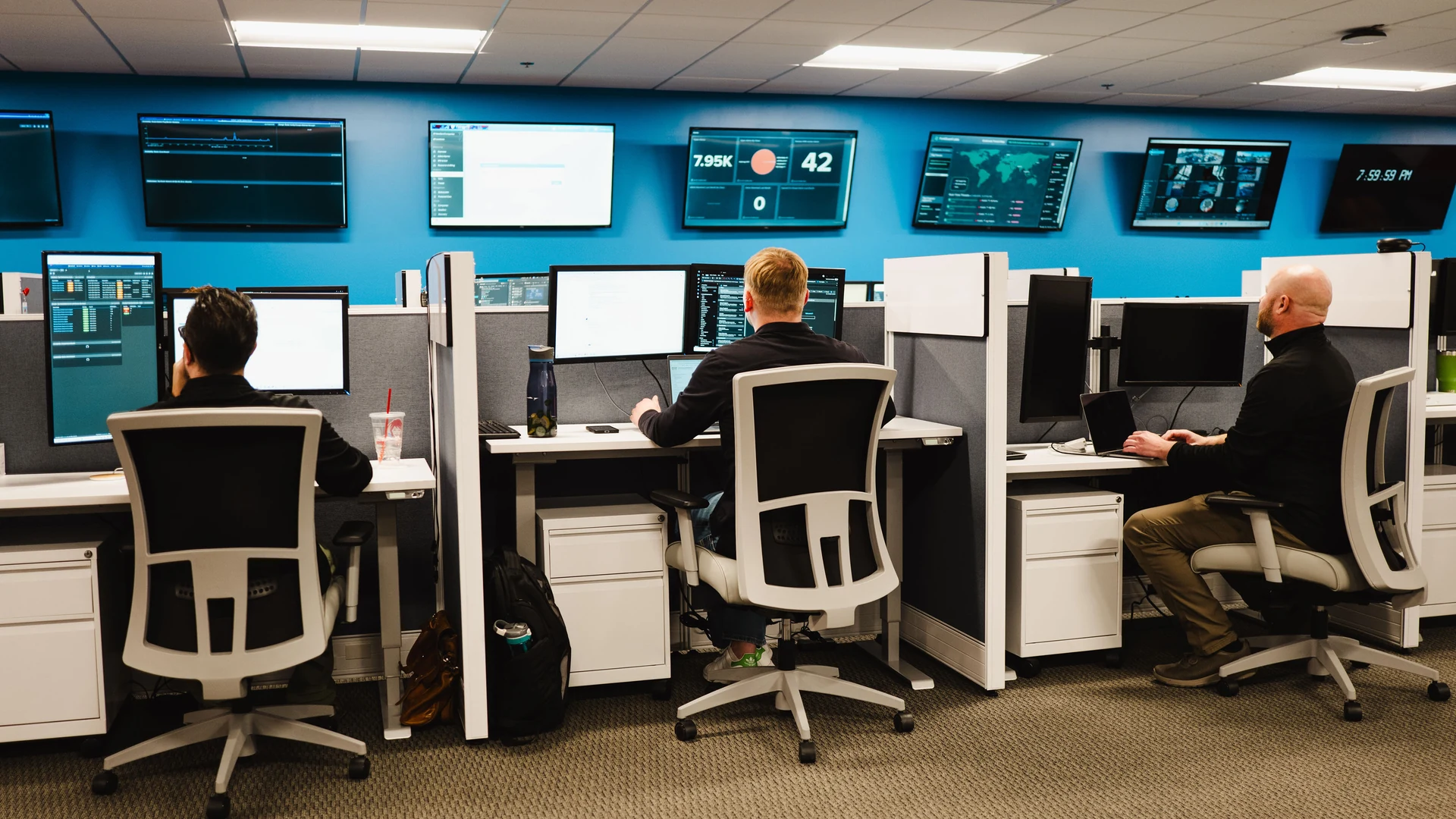
ValorTech IT Support Team - Network Operations Center
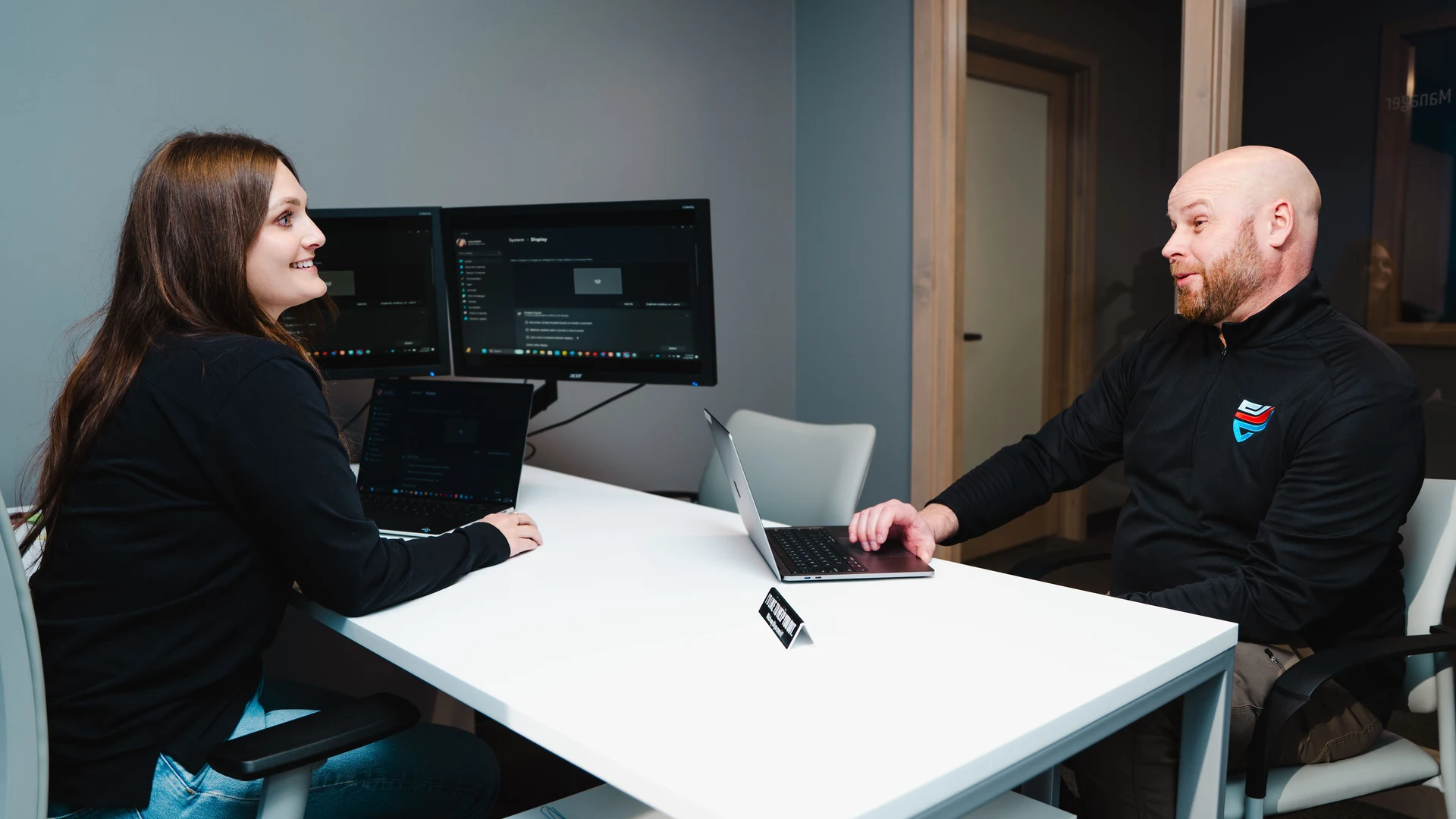
ValorTech IT Consulting Meeting
Service Hero Badge
IT Support

Ready for a MSP Done Right? We Got You

Built with a security-first mindset and backed by real people who give a damn, our Managed IT Services become your team’s most reliable edge. 


Talk to an Expert
ValorTech IT Support Team - Network Operations Center
ValorTech IT Consulting Meeting
Jump to section
Problems We Solve
Our Offerings
Partnership Models
Our Approach
Industries We Serve
Our Client Results
FAQs

The Confidence You’ve Been Missing in Managed IT

 Managed IT services shouldn’t feel like settling—and with ValorTech, they don’t. As a veteran-owned, security-first provider, we bring discipline, precision, and a mission-driven mindset to every partnership. We’re an extension of your team: strategically aligned, relentlessly proactive, and built to scale with you. From day one, you’ll feel the difference—real conversations, real expertise, and zero cookie-cutter IT  solutions.

5.0
Average Rating
Google
Trusted by 100+ businesses
Mobile Background Image
Desktop Background Image
Explore the Trust Center
cert-0
cert-1
cert-2
cert-3
cert-4
cert-5
cert-6
cert-7
cert-8
cert-9
cert-10
cert-11
cert-12
cert-13
cert-14
cert-15
cert-16
cert-17
Insights

Managed it services essentials

Research-backed insights covering strategy, implementation, security, and optimization for IT support.

Understanding Managed IT Support

Managed IT support means entrusting your IT operations to a dedicated provider under a service agreement. Instead of the old "break-fix" model (calling for IT support only when something breaks), managed support is proactive. A Managed Service Provider (MSP) monitors and maintains your systems continuously to prevent issues before they disrupt your business.

This often includes 24/7 monitoring, regular maintenance, user support, and strategic IT planning. According to CompTIA's 2024 IT Industry Outlook, organizations with proactive IT support experience 50% fewer critical incidents than those relying on reactive methods.

For midsize companies that may have a small in-house IT team (or none at all), managed support provides access to a breadth of expertise and manpower. It's like expanding your IT department overnight – you gain a team of specialists in system administration, networking, and user support, all for a predictable monthly fee. Importantly, you can choose different service models, from co-managed IT (augmenting your existing IT staff) to fully-managed IT (outsourcing all IT operations). We'll discuss those models shortly.

What IT Support Services Include

Managed IT support typically covers areas such as:

  • Help Desk Services: Providing your employees with on-demand technical support for their daily IT issues.
  • Network Monitoring: Keeping an eye on servers, networks, and devices to detect and fix problems early using tools like enterprise-grade monitoring tools.
  • IT Infrastructure Management: Handling maintenance of hardware, software, and overall system health (patching, updates, backups, etc.).

Why Trust ValorTech? As a SOC 2 Type II compliant provider with Microsoft Partner and Cisco Partner certifications, we maintain the highest industry standards for security and service delivery. Our team holds certifications including Microsoft 365, Azure, Cisco CCNA/CCNP, and CompTIA Security+.

"We're going to have all the managed services that are out there, your desktop support and whatnot, but we're going to take it from a security-first perspective."

— Bryan Sevener, Founder & CEO, ValorTech

The goal is to maximize uptime, efficiency, and security of your IT environment without the burden of doing it all in-house. It's no wonder that 93% of organizations using managed services report improved overall operational efficiency. When done right, managed IT support turns IT into a reliable utility for your business – always on, always performing – rather than a source of headaches.

📥 Free Resource: Download our IT Readiness Checklist (PDF) to benchmark your current IT environment against industry best practices.

Written by ValorTech's Microsoft-certified and Cisco-certified IT Support experts | Updated December 2025

Why Midsize Businesses Need Managed IT Support

Midsize businesses (say 50 to 500 employees) face unique IT challenges. You're big enough to rely heavily on technology, but often without the large IT department of an enterprise. This can stretch your internal IT staff thin. Routine tasks like patching PCs, troubleshooting network glitches, and assisting users can eat up all their time, leaving little bandwidth for strategic initiatives (such as deploying new software or strengthening cybersecurity). In some cases, there may be no full-time IT staff, and tech duties fall on whoever is "good with computers." This is risky and inefficient.

Here are key reasons midmarket companies in nationwide turn to managed IT support:

  • Limited IT Resources: Internal IT teams at midsize firms are often small. A co-managed support arrangement offloads day-to-day tasks to an MSP, freeing your staff to focus on high-value projects. CompTIA research shows that companies utilizing managed services reallocate over 50% of their internal IT staff time to strategic, revenue-generating projects.
  • Complexity of Modern IT: Keeping up with technology is harder than ever. You have to manage on-premises servers, employee laptops, mobile devices, cloud apps, remote work setups, and more. New cybersecurity threats emerge constantly. A specialized provider brings expertise across all these domains—including advanced tools like Huntress for threat detection and Cisco Umbrella for DNS protection.
  • Cost Control: Hiring and retaining a large in-house IT staff with diverse skill sets (network engineers, help desk techs, system admins) is expensive. Managed support provides those skills as a service. Companies report significant cost savings – according to industry research, 46% of firms cut annual IT costs by 25% or more after adopting managed services, and 13% cut costs by 50% or more. Instead of unpredictable break-fix expenses, you pay a consistent fee that's often less than the cost of one additional full-time IT employee.
  • Downtime and Productivity Loss: When IT systems fail, operations can grind to a halt. Downtime is extremely costly – according to industry research, the average cost of IT downtime is $5,600 per minute ($336,000 per hour). While your business might not lose that much in an hour, even a few thousand dollars per hour in lost sales or idle employees adds up fast. Managed support emphasizes proactive maintenance and rapid response to minimize downtime.
  • Access to Latest Tech and Skills: A good MSP stays up-to-date on emerging technologies and best practices. They bring knowledge of virtualization, network optimization, Microsoft 365 administration, and more. In fact, 83% of small and midsize businesses rely on MSPs for technical expertise to handle complex IT environments and stay current with trends.

For midsize companies that may have a small in-house IT team (or none at all), managed support provides access to a breadth of expertise and manpower. It's like expanding your IT department overnight – you gain a team of specialists in system administration, networking, and user support, all for a predictable monthly fee. Importantly, you can choose different service models, from co-managed IT (augmenting your existing IT staff) to fully-managed IT (outsourcing all IT operations). We'll discuss those models shortly.

"We used to think we were saving money by handling IT internally. Then we calculated that our lead engineer spent 40% of his time fixing printers instead of optimizing our logistics software. ValorTech didn't just fix our computers; they gave us our lead engineer back."

— Elena Rodriguez, COO, a regional logistics company

Consider operational efficiency: If employees can't work because email is down or a server crashed, the whole business suffers. Managed IT support provides a safety net and a path to prevent those disruptive incidents. It offers midsize firms the kind of robust IT support that large enterprises enjoy – but scaled and priced for their needs. According to industry research, managed services let companies streamline workflows, automate processes, and avoid costly downtime.

Help Desk Services: Responsive IT Assistance

One of the most visible and valued components of managed IT support is the help desk service. This is the frontline support channel that your employees contact whenever they have an IT issue or question. A good help desk keeps your team productive by resolving tech problems quickly and courteously.

What do help desk services include? Typically, users can reach the help desk via phone, email, or an online portal. Common tasks handled by the help desk are:

  • Password resets and account lockouts
  • Email and software issues (e.g., Outlook not sending, or a CRM application error)
  • Troubleshooting PC/laptop problems (slow performance, crashes, printer issues)
  • Connectivity issues (can't connect to Wi-Fi or VPN)
  • New user onboarding (setting up accounts, equipment) and general "how do I do this?" guidance

ValorTech Help Desk Metrics:
  • Average initial response time: 10 minutes
  • Average ticket resolution time: 45 minutes
  • 24/7 coverage for critical incidents
  • 98% first-call resolution rate for common issues

For midsize organizations, having a reliable help desk means employees spend less time frustrated with technology and more time doing their jobs. There's a direct link to productivity and morale. Imagine an employee's computer freezes in the middle of a project – with an internal IT staff of one or two people, that employee might wait hours for help if those IT folks are busy elsewhere. But with a managed help desk, they can get assistance within minutes by contacting the MSP's support line. Many providers offer 24/7 or extended-hours help desk support, which is great for companies with multiple shifts or remote workers who might encounter issues after normal hours.

Studies highlight the benefits: According to industry research, using an effective IT help desk can save an organization up to 600 working hours per year (through faster issue resolution and reduced downtime). Think of those 600 hours as productivity regained across your staff. Additionally, outsourcing the help desk can reduce the "aggravation" and stress on your internal team, as trivial issues no longer derail their day.

"Since partnering with ValorTech, our support tickets dropped by 60%, and our team stays focused on what matters. Their response times are incredible."

— Linda Chen, IT Manager, a regional business

At ValorTech, our help desk is staffed by knowledgeable, friendly technicians who understand both the technical and the human side of support. We know that when an executive can't get on a video call or an employee loses access to a key system, it's not just an IT problem – it's a business problem. That's why exceptional responsiveness is a top priority. In fact, according to recent industry surveys, 86% of companies said fast, responsive service is a critical trait in an IT partner, right alongside deep knowledge. We strive to resolve most support tickets on the first call or within the first hour. And if an issue requires an on-site visit (perhaps a hardware fix), we dispatch technicians promptly, especially for our clients nationwide where we can be on-site within hours.

Bottom line: A quality managed help desk keeps your team happy and productive by ensuring their tech issues are addressed immediately. It's like having a tech support hotline that's always ready to put out fires, except the "firefighters" already know your systems and users.

Network Monitoring: Proactive Issue Detection

If the help desk is the reactive side of IT support, network monitoring is the proactive side. Network and systems monitoring involves continuously overseeing the health of your IT environment to catch and fix problems before they impact your business. Think of it as a digital early warning system.

Managed IT support providers set up monitoring tools – often in a Network Operations Center (NOC) – to watch over critical components such as:

  • Servers and Virtual Machines: Monitoring CPU usage, memory, disk space, and system logs for any red flags.
  • Network Devices: Keeping tabs on routers, switches, firewalls, Wi-Fi access points, etc., to ensure connectivity and optimal performance.
  • Key Applications and Services: Checking that important services (email server, database, website, etc.) are running smoothly and reachable.
  • Environmental Factors: In some cases, even server room temperature or power supply can be monitored to prevent hardware damage.

24/7 Proactive Monitoring: Our proprietary monitoring system tracks over 50 different parameters for each client, including network health, endpoint performance, and security indicators 24/7. When we detect warning signs—such as a failing drive, unusual traffic spikes, or degraded system performance—we intervene before you experience downtime.

The monitoring system alerts our team if something is outside normal parameters – for example, if a server's CPU usage stays at 95% for an extended period, or a network link goes down, or a backup job fails to run. This allows technicians to respond immediately, often before users notice anything wrong. For instance, if a disk is nearing full capacity, we can clear space or add storage before it fills up and crashes the application.

Proactive monitoring dramatically reduces surprise outages. It's far better to get a 3 AM alert that a critical server's error rate is climbing and fix it right then, than to have that server go down at 9 AM when your office is starting the workday. Many issues give off warning signs hours or days in advance – if someone is watching. Managed support ensures that someone is always watching.

"We hold ourselves to a higher standard, monitoring far more than most other MSPs, and that's how we catch potential issues early and deliver real peace of mind."

— ValorTech Engineering Team

Moreover, monitoring isn't just about avoiding downtime; it also aids performance and planning. By analyzing trends (say, network bandwidth usage or database response times), an MSP can advise you on upgrades or optimizations to keep systems running fast. According to Microsoft's best practices, monitoring routine update processes to verify they complete as planned is critical because a failed patch can leave systems vulnerable or unstable. In short, verify everything.

For businesses in the Midwest that operate across multiple locations or have remote workers, network monitoring is crucial. It provides visibility into all corners of your IT infrastructure, whether your headquarters is in Milwaukee and you have branch offices in Madison or Chicago, or team members working from home. ValorTech's network monitoring services leverage modern tools and real-time dashboards. If an Internet service at your location blips or a router in Eau Claire falters, our team knows instantly and can often fix it remotely within minutes.

The result is proactive issue detection and resolution. Instead of finding out about a problem when your staff calls yelling that "the network is down," we likely already know and are on it. This minimizes business disruption. According to CompTIA research, organizations with proactive monitoring experience significantly fewer critical incidents than those relying on reactive methods. Over time, proactive monitoring and maintenance also extend the life of your equipment by preventing overloads and catching small issues before they escalate. It's like regular health check-ups for your IT systems – an ounce of prevention is worth a pound of cure.

IT Infrastructure Management: Maintaining Your Systems

Beyond the help desk and monitoring, managed IT support covers comprehensive IT infrastructure management. This means taking care of all the behind-the-scenes tasks that keep your technology ecosystem healthy, secure, and up-to-date.

Key aspects of infrastructure management include:

  • Patch Management and Updates: Ensuring all servers, workstations, and devices receive critical updates and security patches in a timely manner. (Outdated software is a common cause of crashes and security breaches—research shows that 32% of attacks start with an unpatched vulnerability. We schedule updates during off-hours whenever possible to avoid disrupting users.)
  • Endpoint Management: Setting up and managing company devices – from laptops and desktops to mobile devices. This includes configuring systems, managing antivirus/anti-malware software, and enforcing policies (for example, password policies or encryption for laptops). Our automated endpoint management ensures 100% compliance with corporate patching schedules.
  • Server and Network Maintenance: Regularly checking server hardware health, cleaning up logs, verifying backups, and testing failover systems. Also managing network configurations, firmware updates on network gear, and optimizing Wi-Fi or wired network performance.
  • Data Backup and Disaster Recovery: Implementing reliable backup solutions for critical data and servers. Managed IT support ensures backups are running successfully (and monitors them – e.g., if Monday night's backup fails, the team is alerted and fixes it on Tuesday). In case of a server failure or data loss event, an MSP will assist in restoring data quickly. This is vital for business continuity.
  • Vendor Management: Acting as a liaison with your technology vendors (Internet service providers, software vendors like Microsoft or Adobe, printer/copier companies, etc.). If there's an issue that requires vendor support, the MSP can handle the technical communications, saving you the headache.
  • Asset Management and Planning: Keeping an inventory of your IT assets and their lifecycle. A managed services provider will track warranties and licenses and advise when hardware needs an upgrade or replacement. They might say, "Your firewall is nearing end-of-life next year; let's budget for a new one" or "It's time to renew your Microsoft 365 subscription" so nothing lapses.

ValorTech Infrastructure Metrics:
  • Automated OS and application updates within 24 hours of release
  • 99.99% average network uptime across our client base
  • 150+ potential issues identified and resolved before impact each month
  • Quarterly restore drills to verify backup integrity

The value of diligent infrastructure management is consistency and reliability. Your systems are far less likely to break down when they're well-maintained. It also improves security indirectly (though we're not focusing on security services here, tasks like patching and backups are fundamental for security as well as uptime).

For example, consider software patching: Many midmarket firms struggle to keep up with patches, especially if they have dozens of servers or hundreds of PCs. With managed support, this is handled for you systematically. According to Microsoft's recommendations, an incomplete patch process should be treated as a serious vulnerability – so our team verifies and documents that every critical update is applied. No more guessing if that one database server missed an update; you'll have reports showing compliance.

Another example: hardware failures. It's not a matter of "if" but "when" something like a hard drive will fail. According to Backblaze drive statistics, approximately 140,000 hard drives experience data loss each week in the U.S. alone due to failures. Through proactive infrastructure management, we mitigate this risk – using RAID configurations, monitoring drive health SMART indicators, replacing aging drives in advance, and maintaining backups. So when a component does fail, it's a non-event: we swap it out, restore data if needed, and your business continues uninterrupted.

"We're going to take, kind of have an iterative step of always improving our own internal operations and applying those same principles to our clients further downstream."

— Bryan Sevener, Founder & CEO, ValorTech

For Wisconsin and Midwest businesses, there's also the aspect of geographic resilience. Weather events (like heavy snowstorms) or other regional disruptions can impact power and connectivity. Part of infrastructure management is helping design resilient networks (using battery backups, secondary internet connections, etc.) to handle such situations. ValorTech's local presence means if a piece of hardware on-site needs hands-on attention, we can get there. But often, because of good planning and remote management, we can prevent the need for emergency visits.

In summary, IT infrastructure management under a managed service keeps your IT backbone strong. Your servers are updated, your network is tuned, your data is safely backed up, and your hardware lifecycle is managed – all without you having to micromanage it. This reduces outages and performance issues significantly. According to industry surveys, adopting a proactive managed IT model (versus a reactive "fix when broken" model) makes companies far less likely to experience major hardware failures and downtime. It's all about staying ahead of potential problems.

Co-Managed IT vs. Fully Managed IT

When engaging with a managed support provider, midsize businesses often choose between a co-managed arrangement or a fully-managed arrangement. Both approaches can deliver the benefits we've discussed, but they differ in how responsibilities are shared between your internal team and the provider. Let's clarify these models:

  • Co-Managed IT Services: In a co-managed setup, the MSP works in tandem with your internal IT staff. It's a partnership model. You might have an IT director, a few IT specialists, or even just a lone IT person on staff – and the managed provider supplements them. For example, your in-house team might handle strategic projects or on-site needs, while the MSP handles 24/7 monitoring, tier-1 help desk calls, and complex tasks that require specialized skills (like firewall management or Office 365 administration). Co-managed is very flexible and can be tailored: you decide which roles to keep in-house and which to offload. This model acknowledges that many midsize companies want to retain some IT control (and keep their institutional knowledge close) but also need relief for heavy workloads or gaps in expertise. It's truly the "best of both worlds" in IT management.
  • Fully Managed IT Services: In a fully managed model, the MSP becomes your entire IT department. You might have little or no internal IT staff – the provider handles everything from day-to-day support to long-term IT strategy. They will interface with your leadership regularly to report on IT status and plan improvements, effectively acting as your CIO/CTO advisor as well as the hands-on team. Fully managed is often chosen by organizations that either don't have in-house IT talent available or have decided their internal team should focus on core business skills instead of IT. It can also make sense if you want a single point of accountability for all things tech. The MSP is responsible for keeping your IT running and evolving, period.

Industry Insight: According to a CompTIA study, 60% of companies using managed services describe their engagement as a collaborative effort with existing internal IT staff. This means even when they hire an MSP, they don't necessarily eliminate internal IT roles; instead, they refocus those roles on strategic work.

Both models have their merits. It depends on your company's situation and preferences. Most midsize businesses actually blend the two – they maintain some internal IT capability and outsource the rest. For example, your internal IT manager might become more strategic, working on technology alignment with business goals, while the MSP takes over routine operations.

At ValorTech, we frequently operate in a co-managed capacity. For instance, a manufacturing company nationwide might have an IT manager who deeply understands their industry applications – it makes sense to keep that knowledge in-house. So we might handle the help desk and infrastructure monitoring, while that IT manager handles application support and executive IT advisement. We ensure seamless integration with in-house teams by using shared ticketing systems and regular coordination meetings. On the other hand, we also have clients for whom we are the fully outsourced IT department – every IT question or project goes through us, and we report directly to the CEO/COO.

"We go against the grain in the MSP space. There's a way of doing things, and we look at that and ask, 'Okay, but how can we do it better? What's best for the client?'"

— Bryan Sevener, Founder & CEO, ValorTech

The key is that you, the client, retain control over how much you delegate. Co-managed arrangements can evolve over time (maybe you start fully managed, then hire some IT staff internally, or vice versa). The right provider will be flexible. Co-managed or fully managed, the objective remains the same: to provide reliable, expert IT support that boosts your operations.

It's worth noting that even in a fully managed scenario, you're not "losing control" of your IT – a reputable MSP will be transparent with documentation, give you admin access to systems, and keep you informed. As a SOC 2 compliant provider, ValorTech maintains rigorous standards for transparency and documentation. You gain a partner, not just a vendor. And in a co-managed scenario, your internal team gains an extension of themselves, often appreciating the backup and work-life balance it provides. No more 3 AM emergency calls for your single IT admin; we handle those, and they can have nights and weekends off.

Key Benefits of Managed IT Support

We've touched on many benefits in each section, but let's summarize the key benefits of managed IT support for your organization. These advantages explain why so many businesses are adopting the managed services model:

  1. Cost Savings and Predictable Budgeting: With managed services, you typically pay a flat monthly fee for agreed services. This converts variable, unexpected costs into a stable operational expense. You avoid huge break-fix bills or the cost of maintaining a large full-time IT staff. Numerous surveys confirm cost reduction – for example, according to industry research, 50% of companies reported saving up to 24% on annual IT costs with MSPs, and one-third saved between 25-49%. By reducing downtime and improving efficiency, managed support often delivers a strong ROI beyond the direct IT budget, too. For a 50-employee firm, managed services at ~$100/user/month total $60,000/year—often yielding 3-5x ROI via avoided downtime.
  2. Access to Expertise and Latest Technology: A managed provider brings certified experts in various domains – network engineers, system administrators, cloud specialists, etc. You gain their collective knowledge. This is especially beneficial if you use a broad range of technologies (e.g., Microsoft 365, Cisco networking, VMware virtualization, Apple devices). Our team at ValorTech stays current with Microsoft and Apple best practices, industry standards like ITIL, and compliance frameworks. According to recent industry surveys, 86% of organizations say the most important trait in an IT partner is a high knowledge level.
  3. Improved Uptime and Reliability: Through 24/7 monitoring, preventative maintenance, and fast incident response, managed support drastically cuts down on downtime. Systems are more reliable. Many providers commit to uptime targets in their Service Level Agreements (e.g., 99.9% uptime for critical systems). Our clients consistently achieve 99.5% uptime or higher with average ticket resolution times under four hours, exceeding industry benchmarks for top MSPs.
  4. Higher Productivity (Less Disruption): Your employees can work with fewer tech interruptions because systems just work better. And when users do need help, the help desk resolves them quickly. One CompTIA report found that companies utilizing managed services were able to reallocate over 50% of their internal IT staff time to more strategic, revenue-generating projects. Recent data suggests that the average employee wastes 22 minutes a day on IT-related issues—by eliminating this friction, we transform technology from a source of frustration into a competitive advantage.
  5. Enhanced Security and Compliance Posture: Even though we're not diving into cybersecurity services here, it's worth noting that a well-managed IT infrastructure is a safer infrastructure. Regular patching, up-to-date antivirus, proper network configurations, and data backups – all usually handled by an MSP – close common security gaps. According to IBM's 2024 Cost of a Data Breach Report, the average breach costs $4.88 million, but organizations with managed security services saw costs reduced by over $1.5 million on average. For industries with compliance requirements (healthcare, finance, etc.), having documented processes and regular reports from your MSP can help meet audit requirements.
  6. Scalability and Flexibility: Managed support grows with you. If you open a new office in Madison or expand your production facility in Milwaukee, your MSP can easily extend services to those new users and devices. According to industry research, flexible IT partnerships significantly reduce total cost of ownership while improving service quality and agility.
  7. Strategic IT Planning and Consulting: A great MSP doesn't just keep the lights on; they also help plan for the future. Regular strategy meetings (quarterly business reviews, for example) are common. In these, we review performance metrics with you and discuss recommendations: maybe upgrading to a new software version, enhancing network capacity, or adopting a productivity tool. Essentially, you get a virtual CIO service built into the partnership. CompTIA research shows that organizations leveraging managed services for strategic planning see significant improvement in IT efficiency metrics. According to CompTIA data, over 40% of MSPs spend time monthly with clients' stakeholders to plan future IT needs.
  8. Focus on Core Business: Perhaps the most underrated benefit – by removing the burden of daily IT management, you and your team can focus on what you do best: running and growing the business. Technology becomes an enabler rather than a distraction.

"Putting the client first and managing their growth long term is our north star. We don't just fix problems—we help businesses thrive through technology."

— Bryan Sevener, Founder & CEO, ValorTech

In summary, managed IT support turns IT from a cost center that might be seen as troublesome into a competitive advantage. It provides efficiency, stability, and expert guidance. According to industry surveys, 78% of companies worldwide that outsource IT have a positive view of their outsourcing partners – when you find a reliable partner, the relationship yields tangible improvements in operations and performance. Midsize businesses stand to gain the most, as it elevates their IT capabilities to enterprise-grade levels without the enterprise-grade price tag.

Ensuring Uptime and Business Continuity

Let's talk specifically about how managed IT support helps ensure business continuity – keeping your operations running even when surprises occur. In Wisconsin and the broader Midwest, businesses can't afford lengthy downtime, whether due to IT failures or unforeseen disasters. Managed service providers put multiple measures in place to safeguard continuity:

  • Rapid Incident Response: When something does go wrong, an MSP will have defined response plans. For example, if a critical server fails at 2 AM, on-call engineers are alerted immediately. They might failover the workload to a backup server or start a cloud recovery instance if available. The idea is to reduce Mean Time to Recovery (MTTR). With skilled staff on standby, problems get resolved much faster than if you had to wake up an internal person who then scrambles to troubleshoot. Our SLA guarantees response within 15 minutes for critical "Severity 1" issues, though our average response time is under 7 minutes.
  • Redundancy and Failover Solutions: Managed support includes designing your IT for resilience. This might involve clustering servers or using virtualization so that if one machine dies, another takes over. It can involve dual internet connections (so if your primary ISP has an outage – not unheard of in a winter storm – the secondary connection picks up). Data can be replicated offsite or to the cloud. ValorTech often sets up clients with both on-premise and cloud backup, ensuring that even a fire or flood at the main office won't stop the business for long.
  • Regular Data Backups and Testing: Backups are only as good as their restores. Managed service providers not only perform backups but also periodically test restoration. We simulate scenarios like "server X failed – can we restore its data to a new machine successfully?" According to Veeam's 2024 Ransomware Report, 96% of ransomware attacks target backups, with 76% successfully compromising backup data. That's why thorough backup testing is essential—organizations recover only 57% of compromised data on average after an attack without proper backup verification.
  • Disaster Recovery Planning: Many MSPs help create formal disaster recovery (DR) plans and run drills. This includes an inventory of all systems and a step-by-step plan to rebuild or fail over those systems in priority order. According to FEMA, 40% of SMBs never reopen after a natural disaster, and an additional 25% reopen but fail within a year. The Verizon Data Breach Investigations Report (DBIR) confirms that 68% of breaches involve human error—making preventive training and tested recovery procedures essential. Having a DR plan means that even if something catastrophic happens, there is a clear procedure to keep the business running.
  • Service Level Agreements (SLAs): To give you confidence, MSPs often commit to SLAs regarding uptime and response. ValorTech's SLAs guarantee:
    • Recovery Time Objective (RTO): under 2 hours
    • Recovery Point Objective (RPO): under 15 minutes
    • Critical issue response: within 15 minutes
    • 99.9% uptime for monitored critical systems

Case Study: Business Continuity in Action
A regional city council serving about 77,000 residents recently modernized its IT with a managed support solution. Its existing in-house support struggled with growing complexity and was causing inefficiencies and high downtime risk. By moving to a co-managed model with 24×7 expert support and better monitoring, the council streamlined its IT operations and achieved long-term efficiency and stability improvements. This example underlines how proactive support and planning translate to smoother operations.

"There was an issue with our retail client's e-commerce platform at midnight on Black Friday. Thankfully, my team had 24/7 coverage, so they received the call immediately and escalated it to our network specialists. They restored service within 30 minutes, saving the client thousands in lost sales."

— Bryan Sevener, Founder & CEO, ValorTech

For businesses in the Midwest, where you might have critical manufacturing lines or customers depending on you, such continuity measures are vital. Imagine a manufacturing plant in Milwaukee: if the production line's control system goes down, every hour lost can mean thousands in revenue not produced. With managed IT, the moment something looks off (say a network controller is unresponsive), the support team is mobilized to fix it or switch to backup systems. The difference between a 15-minute hiccup and a 4-hour outage can be the difference between meeting your shipping deadline or not.

To put it simply, managed IT support is like an insurance policy for your uptime, except it actively works to prevent the "accident" from happening in the first place. By minimizing downtime and having robust recovery practices, it keeps your business running come what may. This resilience can also be a selling point to your clients – you can confidently say you have top-notch IT continuity, which in some industries (like finance or healthcare) is a trust factor and maybe even a compliance requirement.

Midwest Roots, Nationwide Service

Technology support isn't one-size-fits-all; local context matters. ValorTech prides itself on being a regional partner based nationwide and serving the Midwest. Why does local expertise make a difference for managed IT support? There are several reasons:

  • Knowledge of the Regional Business Climate: Midwest businesses often have specific needs. For example, Wisconsin has a strong manufacturing sector, from auto parts to food processing. We understand the technologies commonly used in these industries (like specialized manufacturing execution systems, or the importance of reliable plant-floor networking). We also know the regulatory environment – e.g. a healthcare company might need HIPAA compliance support or a financial firm data privacy guidance. Our advice and IT solutions take these regional industry factors into account. We're not a generic call center an ocean away; we're your neighbors who understand your business concerns.
  • On-Site Support When Needed: While much of IT support is remote, there are times when an on-site presence is invaluable – installing new hardware, handling wiring, or just being there for a major go-live event. Being local means we can be on-site quickly anywhere nationwide, and even in neighboring Midwest states with short notice. If a server needs a part replaced at your location, we can drive over the same day. If you're opening a new office in any location, we can have techs on-site to set up your network. According to industry research, hybrid support models can reduce average resolution times by up to 25% compared with purely remote or purely on-site approaches.
  • Cultural Understanding and Communication: Midwestern values often emphasize trust, hard work, and relationships. We mirror that in our service style – friendly, down-to-earth, and patient in explaining technical issues without jargon overload. Whether you're a CEO in Milwaukee or a plant manager in a small Wisconsin town, we communicate in a way that makes sense to you, aligning with that Midwest straightforwardness.
  • Regional References and Partnerships: Over time, we have built relationships with local vendors and data centers. We know which ISPs provide solid service in various various locations, and we have contacts in their support departments. We partner with nearby data centers for cloud hosting or backup solutions, which means your data can stay in-region (important for those who prefer data sovereignty). We also stay plugged into the Midwest tech community.
  • Understanding of Environmental Challenges: The Midwest has its share of environmental factors – thunderstorms, snowstorms, occasional flooding or tornado threats. We factor these into IT planning. For example, ensuring battery backups and surge protectors are robust in areas prone to storms, or recommending backup generators for critical systems if you're in a rural area where power outages last longer. In winter, we know that travel can be iffy, so we double-check that remote management capabilities are strong.

ValorTech National Presence:
  • Midwest roots with enterprise-level capabilities
  • On-site response within hours, not days
  • Local technicians who know your ISPs, vendors, and regional challenges
  • Regional data center partnerships for secure, in-region data storage
  • Understanding of Midwest industries: manufacturing, healthcare, finance, professional services

"ValorTech didn't just fix our computers; they stabilized our entire production line. We went from weekly outages to zero downtime in three months."

— Operations Director, Manufacturing Client

Finally, emphasizing "Wisconsin and Midwest" isn't just marketing speak for us – it's our community. We are invested in the success of businesses here because it elevates the region as a whole. When midsize companies thrive, they create jobs in our towns and cities. We've seen our clients grow from small offices to major employers, and we're proud to have supported that journey. By choosing a local managed IT support provider, you're also supporting the local economy and forging a partnership grounded in the region's values.

In practical terms, being local means when you call us, you might get a technician who's just up the road, and who could be at your door in an hour if needed. That kind of proximity combined with world-class expertise—including SOC 2 compliance and certifications in Microsoft, Cisco, and AWS platforms—is a powerful combination. Many Midwest businesses prefer having a "local touch" rather than dealing with a far-removed, nationwide provider where you're just one of thousands of clients. We give you the attention you deserve.

Managed IT Support in Action: A Midsize Business Example

To illustrate how all these pieces come together, let's walk through a detailed case study of a midsize business that benefited from managed IT support.

Case Study: a Wisconsin production facility, Milwaukee, WI

Company Profile: 150 employees | Industrial components manufacturing | Small IT team (1 IT manager + 1 assistant)

The Challenge: a Wisconsin production facility was struggling with frequent IT issues: the network would slow down or drop periodically, a critical manufacturing software server crashed a few times causing production delays, and the lone IT manager was overwhelmed being "on call" 24/7. They had an aging infrastructure – some servers over 5 years old – and no time to plan upgrades. Employees were frustrated with how long IT issues took to fix. Leadership was worried about a major breakdown occurring at the worst time.

According to industry research, manufacturing downtime can cost up to $260,000 per hour. a Wisconsin production facility was experiencing roughly 15 hours of unplanned downtime per month—putting them at significant financial risk.

The Solution: a Wisconsin production facility partnered with ValorTech in a co-managed IT support arrangement. We started with a thorough assessment using our proprietary ValorScan™ diagnostic tool. We found that their network outages were caused by old firmware on the core switch and an ISP router issue – both relatively easy to fix once identified. We also noted their backup system hadn't been working reliably (a huge risk!).

Together with ABC's IT manager, we implemented the following:

  • Network Monitoring & Upgrades: We installed our proactive monitoring tools on their servers and network. Within the first month, this preemptively alerted us to an overloaded database server, which we optimized to prevent an impending crash. We also updated the switch firmware and liaised with their Internet provider to replace faulty equipment. Network stability improved immediately – no more mystery outages.
  • 24/7 Help Desk: We took over as the first line of support for all users. For example, if a machine operator can't access the inventory system, our team is on it within minutes. This freed ABC's internal IT manager from constantly fielding calls. Over the first 3 months, we achieved an average ticket resolution time of under 30 minutes for common issues and >90% user satisfaction in feedback surveys.
  • Infrastructure Refresh and Maintenance: We worked out a plan to replace two critical servers that were past their prime, migrating those systems to newer hardware with minimal downtime (scheduled on a Sunday). We implemented a cloud backup solution for their file storage and ERP database, encrypting and sending backups to a secure Midwest data center nightly. We schedule patch updates for all PCs and servers monthly with full compliance reporting.
  • Co-managed Coordination: ABC's internal IT manager retained control over certain applications unique to their manufacturing process. Meanwhile, we handle "everything else" – network, general servers, user support, security patches, etc. We set up a weekly call with him to review issues and plan upcoming changes. He became more of an IT strategist while we became the operations arm.
  • Business Continuity Preparedness: We developed a disaster recovery plan. We set up a failover machine; if their primary ERP server goes down, we can restore the latest backup within hours. We also implemented redundant internet (adding a secondary broadband line). This proved worthwhile when, during a heavy snowstorm, their primary internet went out – operations switched to the backup line seamlessly, avoiding downtime.

The Results (Within 6 Months)

  • Unplanned downtime dropped by 70% (from 15 hours/month to under 5)
  • Zero IT-caused production stoppages since partnership began
  • IT Manager took first real vacation in years (our team had it covered)
  • Employee IT complaints reduced significantly
  • Estimated $120,000+ annual savings from avoided downtime and prevented incidents
  • Avoided cost of hiring additional full-time IT person

"ValorTech's proactive alerts have become our early-warning system—no more after-hours emergencies. The COO remarked that it was 'a no-brainer in hindsight' and wished we had engaged managed support sooner."

— IT Manager, a Wisconsin production facility

This example demonstrates how managed IT support isn't just an abstract idea, but a practical solution that yields tangible results: stable systems, happier users, and IT that supports business growth. Whether it's a manufacturing firm in Milwaukee, a law office in Madison, or a healthcare clinic at your location, the story often follows a similar trajectory – from reactive chaos to proactive control with the help of an MSP.

And because we integrated with their team, ABC's internal IT manager didn't feel replaced; he felt empowered. That's our goal in any co-managed scenario: bolster what you have, and cover what you don't, so the whole IT operation runs like a well-oiled machine.

Conclusion: Partnering with ValorTech for Reliable IT Support

For growing businesses, managed IT support has moved from a luxury to a necessity. As we've covered, the advantages are compelling – from cost savings and expert guidance to improved uptime and peace of mind. The right IT partner can transform your technology from a source of frustration into a competitive asset.

ValorTech is committed to being that trusted partner for midsize businesses in nationwide. Our conversational yet knowledgeable approach means we can interface equally well with a company's leadership (CIOs, CISOs, COOs, CEOs) and with its technical teams. We fluently speak the language of business outcomes and the language of bits and bytes. This dual focus ensures that your concerns – whether about budget and strategy or about software and servers – are fully addressed.

Why Choose ValorTech for IT Support

By choosing ValorTech for co-managed or fully-managed IT services, you're choosing:

  • Proven Expertise: Our team holds certifications from Microsoft, Cisco, and AWS platforms, and we stay updated on the latest tech trends. We adhere to industry best practices like ITIL for service management, and we align our services with NIST guidelines for operational security. You get enterprise-grade know-how, tuned to the needs of a midsize organization.
  • Local Presence, Regional Reach: We're right here nationwide. We can visit your site, understand your local market challenges, and integrate with your team. At the same time, we have the capacity to support businesses across the Midwest, across the country, thanks to our robust remote support infrastructure and partner network.
  • Tailored Solutions: We don't believe in one-size-fits-all. We craft a support plan that fits your unique requirements. Whether you need a heavy emphasis on the help desk, specialized support for certain software, or enhanced after-hours coverage, we'll build that into your plan.
  • Transparency and Communication: With ValorTech, you'll never be in the dark about your IT. We provide regular reports on what we've done (tickets resolved, patches applied, systems health stats), and we meet with you to discuss recommendations. As a SOC 2 Type II compliant organization, we maintain rigorous standards for transparency and accountability.
  • Alignment with Your Goals: Above all, we aim to align IT with your business strategy. If your goal is to expand e-commerce, we'll ensure your network can handle it. If you're focusing on customer experience, we'll make sure client-facing systems are robust. Essentially, your success is our success.

"ValorTech makes IT one less thing for us to worry about. We can actually sleep at night knowing someone's watching our systems. It feels like they're an in-house department of our company, just as invested in our growth as we are."

— Long-time ValorTech Client

ValorTech IT Support Differentiators:
  • ✓ Midwest roots with enterprise-level capabilities
  • ✓ Proactive 24/7 monitoring (50+ parameters per client)
  • ✓ SOC 2 Type II compliant with transparent pricing
  • ✓ Microsoft Partner | Cisco Partner | AWS Partner
  • ✓ Response SLAs: Critical issues in under 15 minutes
  • ✓ Hybrid remote/on-site support model
  • ✓ 99.5%+ uptime across our client base
  • ✓ Quarterly business reviews with strategic IT roadmapping

Get in touch with us to discuss your needs and see how we can tailor a managed IT support plan for you. We're happy to share more case studies, provide references, or perform a free initial IT assessment to identify areas where we can add value. Clients who implement our assessment findings typically report a 30% reduction in critical incidents within the first 90 days.

"We go against the grain in the MSP space. There's a way of doing things, and we look at that and ask, 'Okay, but how can we do it better? What's best for the client?'"

— Bryan Sevener, Founder & CEO, ValorTech

Don't let IT challenges hold your business back. Join the many midsize businesses in nationwide who have partnered with ValorTech to boost productivity, reduce risk, and innovate with confidence. With the right managed support, you can focus on running your business – while we take care of keeping your IT running.

Let's work together to make your technology a powerful ally in your success story. ValorTech is ready to be your trusted managed IT support partner.

Ready to Eliminate IT Headaches?

Schedule your free IT assessment today. Assessment appointments are limited—secure yours now with our exclusive 30-day satisfaction guarantee.

Call: (608) 310-8299 | Contact Us Online

Cities We Serve in Wisconsin

  • Appleton IT support services
  • Beloit IT support services
  • IT support company serving Brookfield
  • IT Support in Brown Deer, WI
  • managed IT support for Burlington businesses
  • IT Support in Caledonia, WI
  • IT support company serving Cedarburg
  • IT Support in Cudahy, WI
  • IT support company serving Eau Claire
  • Elkhorn IT support services
  • IT Support in Fond du Lac, WI
  • IT support company serving Franklin
View all 41 Wisconsin locations →

Powered By

ValorTech Logo
(414) 410-9440

N85W16186 Appleton Ave
Menomonee Falls, WI 53051

Follow Our Social Media

Solutions

HealthcareLegalInsuranceFinanceManufacturingEducation/NPOGovernment

Services

CybersecurityManaged IT ServicesIT ConsultingCloud SolutionsApple First EnvironmentsMicrosoft 365

Service Areas

IT Support in WisconsinCloud Solutions in Wisconsin

Resources

BlogDownloadable AssetsTrust Center

Partners

Partners

Company

About ValorTech
Our Leadership
Culture & Values
News & Media
Social Impact
Careers

Partners

Partners

Contact Us

Consult with an ExpertCurrent Client Support

Contact Us

Consult with an ExpertCurrent Client Support

ValorTech Insights

Get the latest IT security strategies, business tips, and tech updates—straight to your inbox.

© 2026 All Rights Reserved

Privacy PolicyTerms of Service